If you’ve ever caught a headache brewing after a spritz of your usual scent, or found yourself squinting at a fragrance label wondering what “parfum” actually means, I promise you’re not alone. I’ve been there too. As someone who’s spent years growing and working with plants in my own vegetable garden, then learning more recently about canning and preserving food, why shouldn’t we be just as curious to learn about what we put on our bodies as what we grow to eat. That curiosity is what led me down the rabbit hole of perfumes with essential oils, and I want to share what I’ve learned with you.
What Makes a Perfume an “Essential Oil Perfume”?
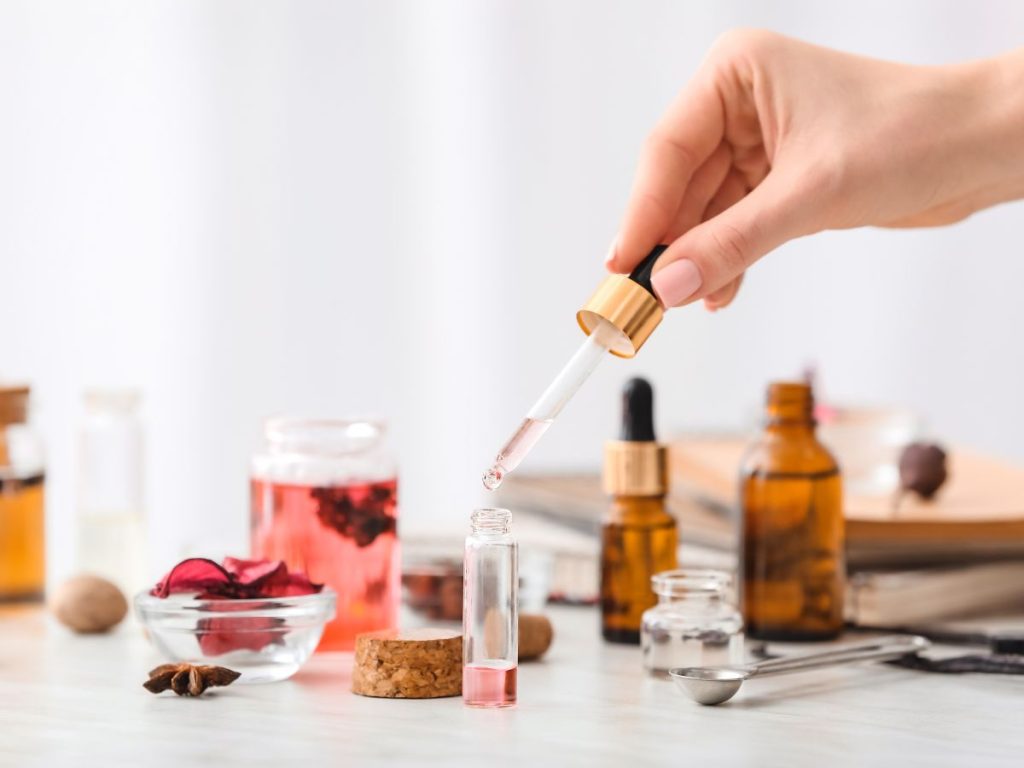
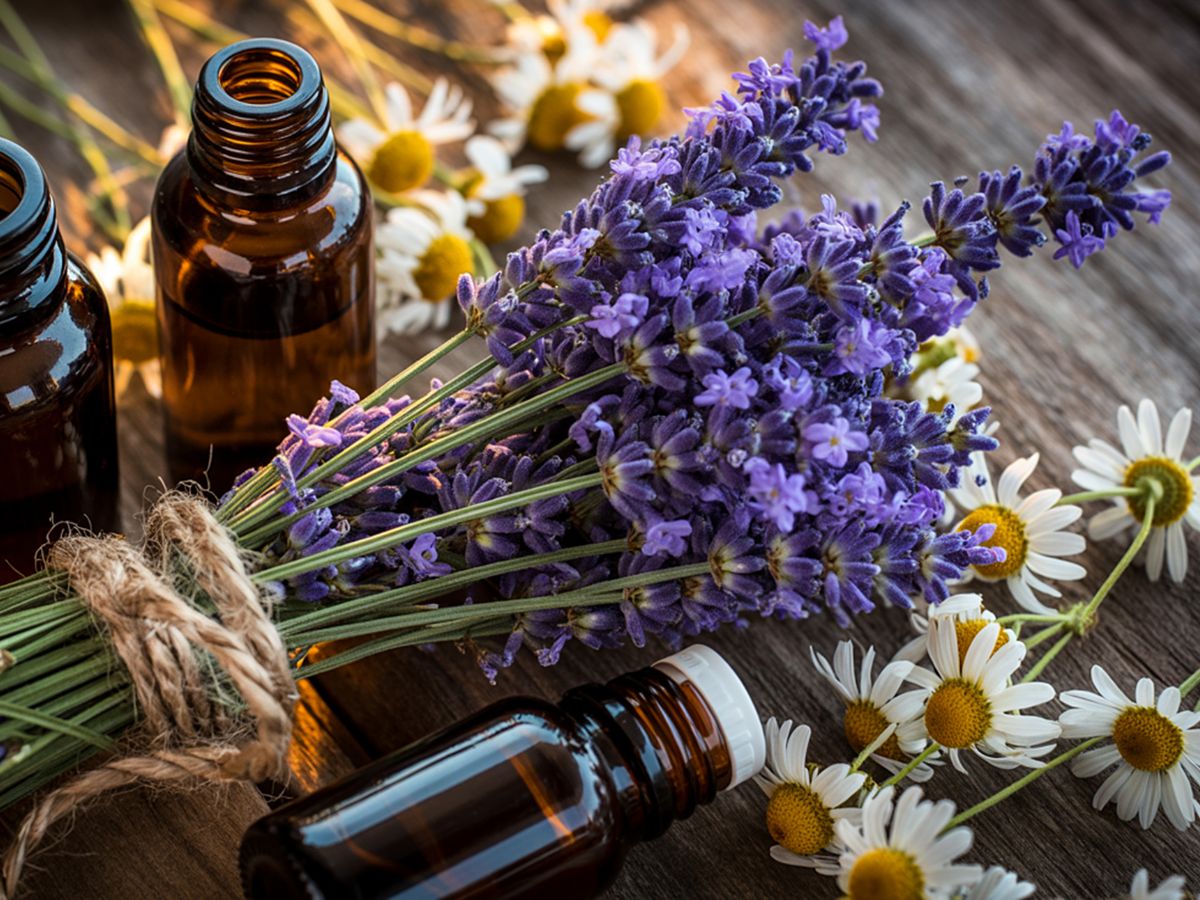
Here’s the thing I didn’t realise until I started digging: not all fragrance is made the same way. Most mainstream perfumes lean on a blend of synthetic aroma chemicals, sometimes dozens of them, to get a scent that’s consistent, affordable, and long-lasting. Essential oil perfumes, on the other hand, are built from oils distilled or pressed straight from plants: bergamot peel, lavender flowers, sandalwood, vetiver root, many of the same botanicals I’ve grown or worked with in the garden myself.
The result is a fragrance that feels more layered and alive on the skin, but it also behaves differently. Natural scents shift and soften through the day, rather than staying fixed the way synthetic fragrance is engineered to. It’s part of why so many of us are drawn to trying perfumes with essential oils: there’s something lovely about a scent that feels connected to the plant it came from, rather than a lab.
Are Essential Oil Perfumes Actually Better for You?
I want to be honest with you here, because a lot of the marketing in this space leans harder into fear than the evidence really supports, and that’s not the kind of thing I want to pass on to you.
- What’s genuinely established: fragrance is one of the most common triggers for contact dermatitis and allergic skin reactions, and some synthetic ingredients (alongside a few natural ones, to be fair) are recognised allergens. If you’ve got sensitive skin, a simpler, more transparent formulation often does help.
- What’s more contested: claims that synthetic fragrance broadly causes hormone disruption or chronic illness in everyday use is starting to emerge in research. Some ingredients, like certain phthalates, have raised genuine concern, which is why plenty of brands (natural and mainstream) have moved away from them. But “synthetic” doesn’t automatically mean “harmful,” and “natural” doesn’t automatically mean “safe.” Essential oils can irritate skin too in concentrated quantities, especially for the more sensitive among us.
- My honest take: if you’ve got sensitivities, or you simply like knowing exactly what’s going onto your skin, essential oil perfumes are a lovely, gentler option worth exploring. Just don’t expect the word “natural” alone to promise more than it can deliver, always do your own research.
How Essential Oil Perfumes Are Made
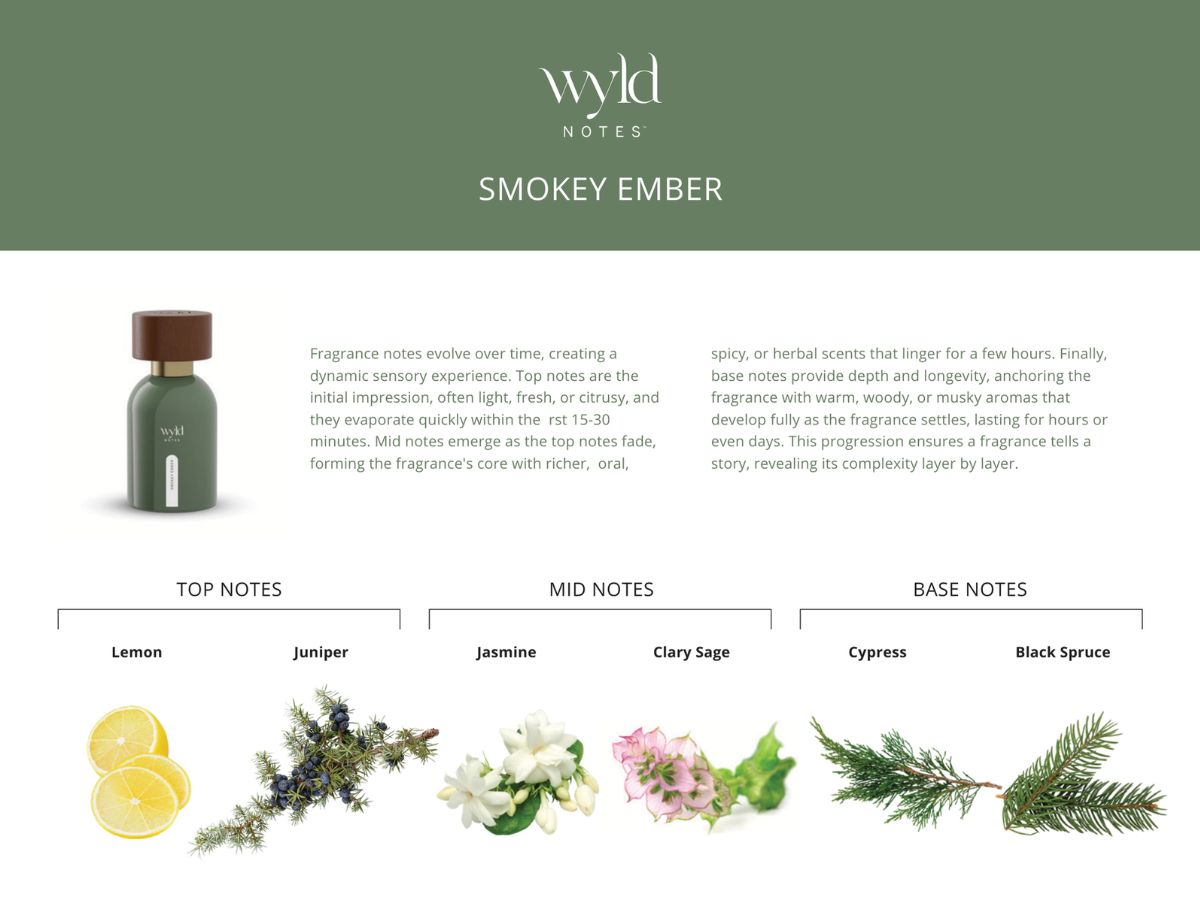
If you’ve ever made your own herbal infusions or essential-oil blends at home (something I go into more in my essential oils for gardening posts), the process of building a natural perfume will feel familiar. Most start with a base, often an organic, non-denatured alcohol, and layer a scent across three “notes”:
- Top notes: light, fast-evaporating oils like citrus or herbs, the first thing you notice
- Heart notes: the heart of the fragrance, often florals like rose, jasmine, or geranium
- Base notes: heavier, longer-lasting oils like sandalwood, patchouli, or resins, which anchor everything and help it last
Here’s a good example of this in one of Wyld Notes’ perfumes:
Because essential oils vary from batch to batch depending on harvest and growing conditions, natural perfumers have to work more like blenders than chemists, adjusting as they go to keep the scent consistent.
What to Look for When Buying
If you’re shopping for perfumes with essential oils, here’s what I look for to tell a genuinely natural brand from one just borrowing the aesthetic:
- Ingredient transparency: a full list of the essential oils and extracts used, not just “natural fragrance” as a vague catch-all
- Alcohol type: organic, non-denatured alcohol tends to be a gentler carrier than standard denatured alcohol
- No synthetic filler claims: I’m always a little wary of “natural-inspired” wording, which often means a blend of natural and synthetic ingredients rather than the real thing
- Sourcing information: I trust brands more when they’re upfront about where their raw materials come from, whether that’s farm partnerships or wild-harvesting. One of the core reasons why I trust essential oils brand Young Living with their Seed to Seal promise.
Reputable Natural & Essential Oil Perfume Brands
A few names worth knowing if you’re just starting to explore essential oil perfumes, all genuinely committed to fully natural formulation rather than just borrowing the aesthetic:
- Abel: a modern natural fragrance house from New Zealand, known for full ingredient transparency and long-lasting, 100% natural formulations. A great entry point if you want something contemporary and easy to wear.
- Strange Invisible Perfumes: a niche, 100% natural, hydrodistilled line for those who want to go deeper. More unconventional and better suited to natural perfume enthusiasts than total beginners.
- Wyld Notes: the first and only 100% natural fragrance brand on the market. Wyld Notes is a brand built around 100% botanical ingredients and organic, non-denatured sugarcane alcohol, with scents ranging from citrus-forward to warm and earthy. I’ll be sharing my full thoughts on this one soon.
FAQs About Perfumes With Essential Oils
Are essential oil perfumes safe for sensitive skin?
Often gentler than synthetic fragrance, but not automatically hypoallergenic. Essential oils can still cause reactions for some people. I’d always patch-test a new fragrance on a small area of skin before wearing it properly.
Do essential oil perfumes last as long as regular perfume?
Generally, no. Natural fragrance tends to fade faster than synthetic perfume, which is engineered for longevity (phthalates – specifically diethyl phthalate (DEP) – are widely used in the fragrance industry to make scents last longer). Base notes like sandalwood or resins help stretch the wear time, but a bit of reapplication through the day is normal with natural scents.
Is “natural fragrance” the same as “essential oil perfume”?
Not quite. “Natural fragrance” on a label can sometimes include naturally derived but chemically processed ingredients. True essential oil perfumes use the oils themselves, with minimal processing beyond distillation or extraction.
Are essential oil perfumes more expensive than regular perfume?
Often, yes. Essential oils cost more to produce than synthetic aroma chemicals, and natural perfumes typically use higher concentrations of raw material to build a scent that lasts.
Final Thoughts
Choosing perfumes with essential oils really comes down to what matters most to you: knowing exactly what’s on your skin, a scent that evolves naturally through the day, and for many of us, a gentler experience than synthetic alternatives. It’s not a promise of safety or superiority, just like nothing in the garden ever comes with guarantees, but for anyone curious about stepping away from mainstream fragrance, it’s a genuinely rewarding place to start. I hope this has given you a good jumping-off point, and I’d love to hear which natural scents you’ve tried!
Next up: my full roundup of the best essential oil perfume brands to try, including a deep dive into Wyld Notes.

About the Author
Elle Reed is a passionate gardener and advocate for teaching beginner gardeners how to grow their own food. Elle’s mission is to inspire and empower people to get back to basics, grow their own produce, and embrace a sustainable lifestyle. “Whether it’s a few herb pots in an apartment, a potager or a full garden plot, we can all ‘start somewhere’ to grow our own food, and in doing so, provide healthier food for ourselves and those we love”.